Counselling is a professional conversation that helps people explore their thoughts, feelings, and experiences in a safe and supportive space. A counsellor listens carefully and works together with the client to better understand challenges, emotions, and personal situations.
Counselling is not about telling people what to do or giving quick advice. Instead, it helps individuals reflect on their experiences, discover their own strengths, and find ways to move forward.
Counselling can support people who are facing emotional distress, life transitions, relationship difficulties, stress, grief, or other personal challenges.


Counselling can help people in many ways. It provides a confidential space where individuals can speak openly about their experiences without judgement.
Through counselling, people may:
Each counselling process is different and is guided by the needs and goals of the client.
Counsellors in the Myanmar Professional Counsellor Pathway are individuals who are committed to ethical and professional counselling practice. Members come from diverse backgrounds and are involved in counselling, mental health support, and psychosocial services in different communities.
All members in the pathway agree to follow professional guidelines, ethical principles, and supervision requirements in their counselling work.
The pathway supports counsellors in developing their professional skills and maintaining responsible practice for the wellbeing of their clients.
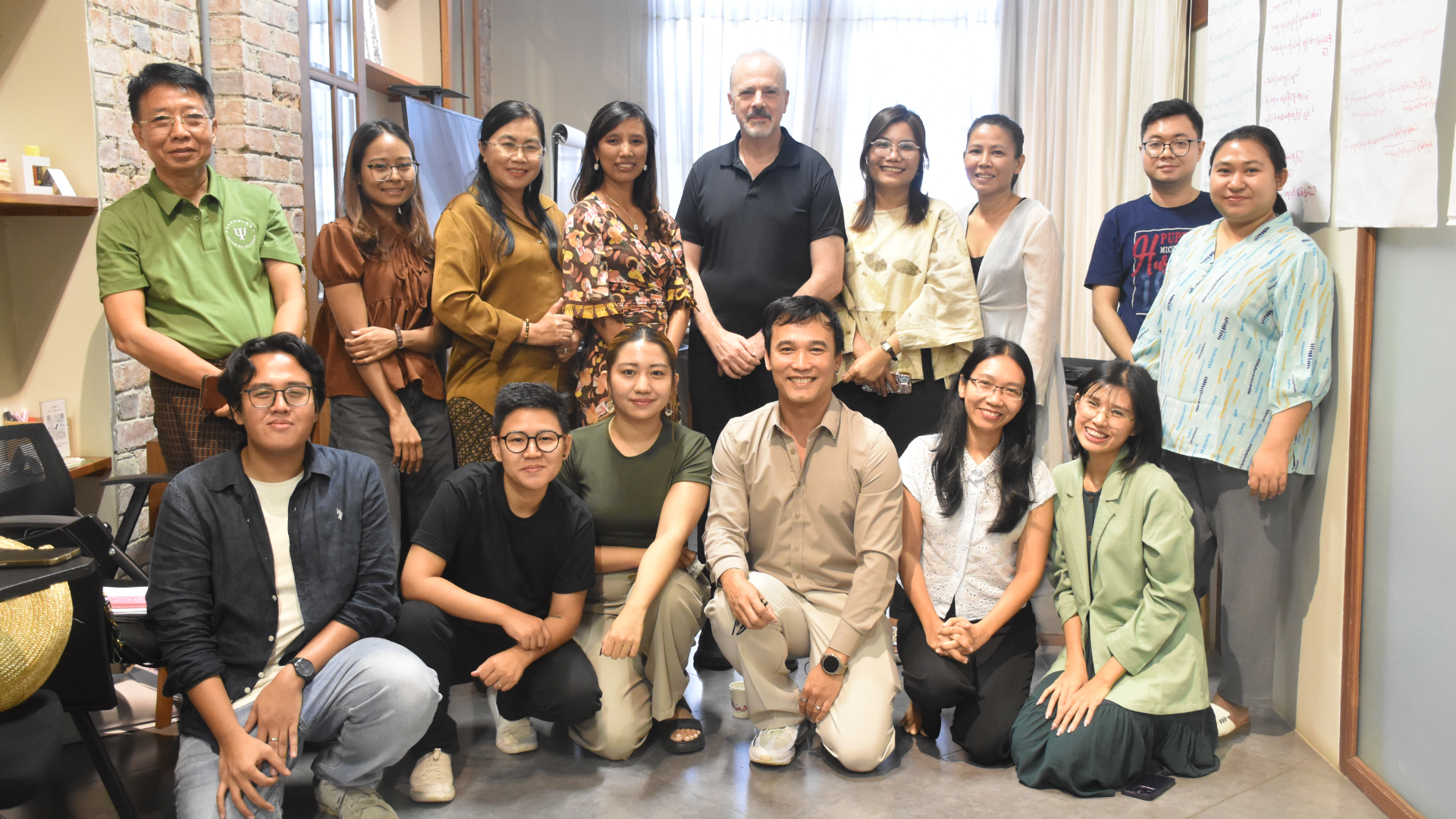
The Myanmar Professional Counsellor Pathway supports counsellors in developing their professional competence through a structured process that includes training, supervised practice, and ongoing professional development.
Counsellors strengthen their skills through:
The pathway emphasises continuous learning and professional responsibility so that counsellors can provide safe and ethical support for their clients.
A counselling session is a private and supportive conversation between a counsellor and a client. The purpose of counselling is to help people explore their thoughts, feelings, and experiences in a safe and respectful environment.
During a counselling session, the counsellor will listen carefully and try to understand the client’s experiences. Clients are encouraged to share at their own pace. There is no pressure to talk about anything they are not ready to discuss.
Counsellors may ask questions to help clarify thoughts and emotions, but they do not judge, blame, or tell clients what decisions they must make. Instead, counselling focuses on helping clients gain understanding, explore options, and make choices that feel right for them.
Counselling sessions are usually confidential, meaning what is shared in the session is kept private except in situations where there is serious risk of harm.
The counselling process may take one session or several sessions depending on the needs of the client.
Safe counselling means that the counselling process respects the dignity, wellbeing,
and rights of the client.
In safe counselling practice, counsellers aim to:
Safe counselling also means that counsellors recognise their professional boundaries. If a client’s needs require support beyond the counsellor’s competence, the counsellor should seek supervision or refer the client to another appropriate professional.
The Myanmar Professional Counsellor Pathway encourages counsellors to follow professional guidelines, supervision requirements, and ongoing learning in order to maintain safe and responsible counselling practice.